I’ve visited maybe 40 lodges over the past few years. Some were incredible experiences I still think about. Others were just another Tuesday night in a different building.
The difference wasn’t the lodge. It was how I approached the visit.
Most Masons treat visiting like tourism. Show up, watch the meeting, check it off the list, leave. You get your pin or your stamp in your passport book, take a photo, and move on.
That’s fine, I guess. But it’s also a massive waste of opportunity.
A lodge visit can be one of the richest experiences in Freemasonry.
You get to see how other jurisdictions do things.
Meet Brothers you’d never encounter otherwise.
Experience ritual variations.
Learn from lodges that do things your lodge doesn’t.
But only if you do it right. Here’s what I’ve learned actually makes a visit meaningful.
Freemasons Community: Join thousands of Masons from around the world in a private, active community built for the Craft.
Masonic Lodge Secretary: Stop drowning in paperwork. Manage your entire Lodge from one simple, purpose-built tool.
MasonicFind Newsletter: The weekly read for serious Masons. Insights, ideas and resources delivered straight to your inbox.
Before You Go: Do Your Homework
The worst visits are the ones where you show up cold. You don’t know anything about the lodge, its history, or what makes it unique. You’re just there.
Spend 15 minutes before you go. Look up the lodge online. When was it chartered? Any notable members? Is it known for anything specific, like exceptional ritual work or a particular charitable focus?
Check if they have a website or social media. Some lodges post their meeting agendas ahead of time. Knowing whether they’re doing a degree or just a business meeting helps you set expectations.
And this is important: learn the local customs. Different jurisdictions have different dress codes, different protocols for visiting, different expectations.
In some places, you can just show up. In others, you need to contact the secretary first. In some jurisdictions, business casual is fine. In others, you need a tux.
Nothing kills a visit faster than showing up unprepared and accidentally violating some local custom you didn’t know about.
Arrive Early (Seriously)
If you show up right at the stated time, you’ve already missed half the value.
Get there 30 minutes early. This gives you time to introduce yourself to people as they arrive. You’ll meet the officers before they’re rushing to get ready. You’ll have actual conversations instead of just handshakes.
The early arrivers are often the guys most committed to the lodge. They’re the ones who’ll tell you the real story of the place, not just the official history. They’re the ones who’ll point out things to notice during the meeting.
Plus, arriving early shows respect. It signals that you’re not just checking a box. You’re genuinely interested.
I’ve had some of my best Masonic conversations in those 30 minutes before a meeting starts. The casual atmosphere, the small groups, people are more open than they’ll be once everything gets formal.
Introduce Yourself Properly
Don’t just give your name and lodge number. That’s transactional.
Tell them why you’re visiting. What drew you to their lodge specifically? Are you traveling for work? Did someone recommend them? Are you interested in how they do ritual?
Ask about the lodge. What should you know about their history? Any traditions they’re particularly proud of? What makes them unique?
Most Brothers love talking about their lodge. Give them the opportunity.
And here’s a tip: if you’ve done your homework, mention something specific. “I saw you guys were chartered in 1847. That’s pre-Civil War. Has the building been here the whole time?” That kind of question shows you care enough to have looked them up.
People remember visitors who show genuine interest. They forget the guys who just show up, sit quietly, and leave.
Pay Attention to the Differences
This is the whole point of visiting: seeing how other lodges do things.
Watch for variations in ritual. Different wording, different movements, different explanations. Some jurisdictions do things that would be considered irregular in yours. That’s fascinating, not wrong.
Notice the culture. Is it formal or casual? How do the members interact with each other? What’s the age distribution? How do they handle business?
Look at the physical space. How’s the lodge room set up? What’s on the walls? What do they emphasize in their decorations and symbols?
All of this tells you something. About the lodge, about the jurisdiction, about different ways of being Masonic.
Take mental notes. Better yet, if it’s appropriate, take actual notes. I keep a small notebook and jot down observations after the meeting. Ritual variations I noticed. Practices that seem worth adopting. Things that made me think differently about my own lodge.
This isn’t about finding things to criticize. It’s about learning. Every lodge has something to teach if you’re paying attention.
Participate Appropriately
You’re a visitor, which means you need to read the room.
Some lodges welcome visiting Brothers to participate in the ritual. Others prefer visitors to observe. Some will invite you to give greetings. Others won’t.
Follow their lead. If they ask you to do something, do it. If they don’t, don’t volunteer unless it’s clearly appropriate.
But do participate in the social parts. Sing if they sing. Stand for the pledge. Respond to the prayers. Show that you’re with them, not just watching them.
And if they have a meal or refreshments after, absolutely stick around for that. That’s where you’ll have the conversations that make the visit worthwhile.
Ask Good Questions
After the meeting, when things are informal, that’s when you learn the most.
Ask about the ritual variations you noticed. “I saw you did the opening differently than we do. Is that jurisdictional or specific to your lodge?”
- Ask about their challenges. “How do you handle officer progression? We’re struggling with that.”
- Ask about their successes. “Your turnout is great. How do you get guys to show up consistently?”
- Ask about their history. “Has this lodge always been in this building? What’s the story there?”
Most Brothers are happy to answer if you ask with genuine curiosity rather than judgment.
And share back. Tell them about your lodge. How you do things. Challenges you face. It becomes a conversation, not an interrogation.
The connections you build through these conversations often last beyond the visit. I’ve texted Brothers I met years ago at lodges hundreds of miles away, asking their advice or sharing something I learned.
Bring Something to Offer
Don’t just take. Bring something to contribute.
Maybe it’s a small insight from your jurisdiction that might help them. Maybe it’s a book recommendation. Maybe it’s just your perspective as an outside observer.
If you’re studying something, share it. “I’ve been working through the symbolism of the Fellowcraft degree. How do you guys approach teaching that?”
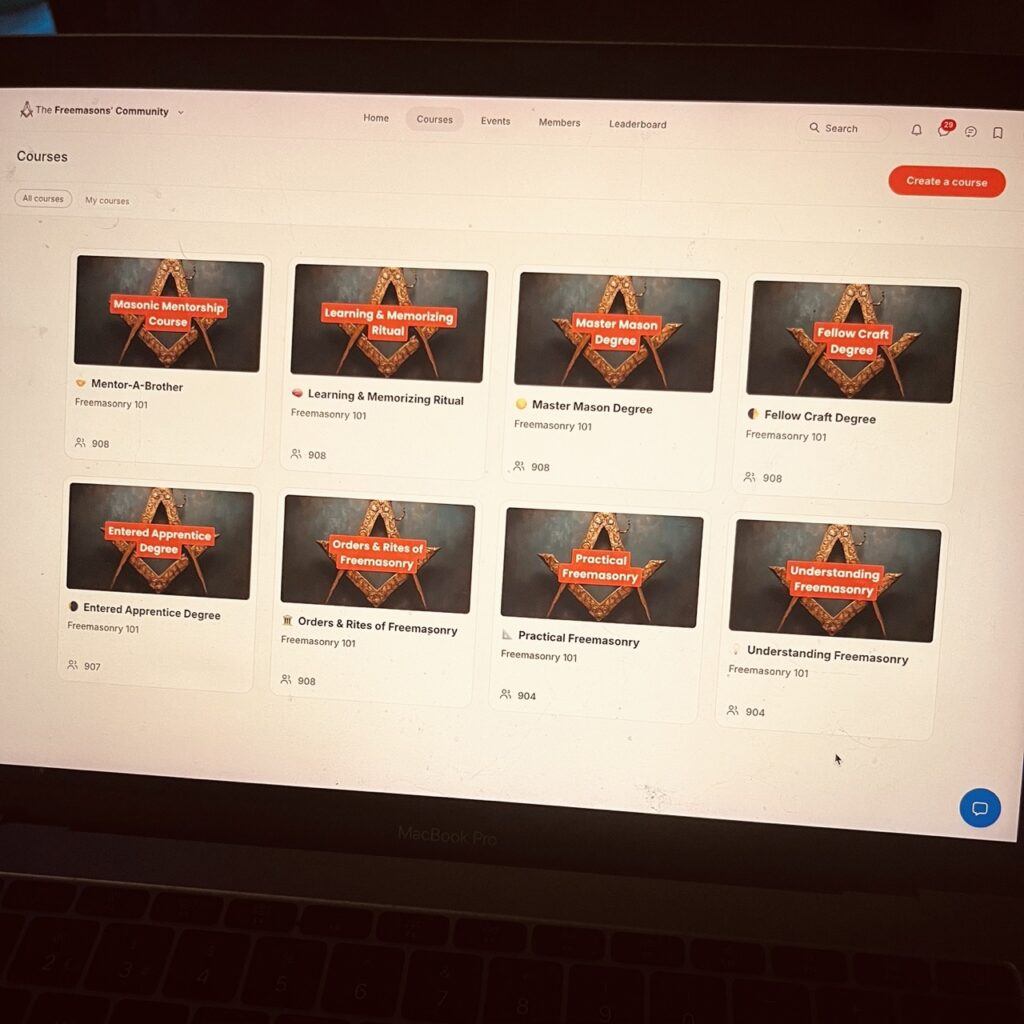
If you’re part of the Freemasons’ Community or similar groups, you might have exposure to practices from around the world.
Share those perspectives. “I was talking to a Brother from Scotland online, and they do this really interesting thing with their festive boards.”
The goal is to make the visit reciprocal. They’re giving you their time and hospitality. Give them something back, even if it’s just a fresh perspective.
Follow Up
This is where most guys fail. They have a great visit, everyone’s friendly, and then nothing.
Send a thank you email to the secretary or master. Mention specific things you appreciated. Tell them what you learned.
If you connected with someone particularly well, reach out. Connect on social media if they’re active there. Keep the conversation going.
Some of my best Masonic friendships came from lodge visits where I actually followed up. Now those Brothers and I compare notes regularly, share resources, and visit each other when we can.
A visit without follow-up is a missed opportunity.
What You Bring Home
The real value of visiting isn’t just the experience itself. It’s what you bring back to your own lodge.
Share what you learned. Tell your Brothers about the interesting practices you saw.
Suggest things worth trying. Challenge assumptions about “the right way” to do things by showing them there are many right ways.
If you saw exceptional ritual work, talk about what made it exceptional. If you saw a struggling lodge handling challenges well, share their approach.
Visiting lodges makes you a better Mason and a better resource for your own lodge. But only if you actually pay attention and bring something back.
The Bottom Line
A meaningful visit doesn’t happen by accident. It requires intention, preparation, and engagement.
Do your homework beforehand. Show up early. Introduce yourself properly. Pay attention. Ask questions. Participate appropriately. Follow up after.
That transforms a visit from a checkbox item into genuine Masonic education and brotherhood.
I’ve learned more from visiting lodges than from most books I’ve read. But I only learned it because I approached those visits as learning opportunities, not just social obligations.
Next time you travel, find a lodge. Next time you have a free evening, visit a lodge across town you’ve never been to. Next time you hear about a lodge doing something interesting, go see it for yourself.
Just don’t waste the opportunity by treating it like tourism.
Make it meaningful.
TrestleLog: Finally, a proper way to log your Masonic journey. Track every meeting, degree and milestone in one place.
Great Masonic Library: Unlock 300+ rare and out-of-print Masonic books that most Masons will never get to read.
MasonicMentor.AI: Get instant answers to your Masonic questions, any time. Like having a wise mentor available 24/7.
Masonic Courses: Go deeper than your Lodge can take you. In-depth courses on history, ritual and philosophy at your own pace.
FreemasonryAI: Save hours every month with 150+ AI prompts built specifically for Lodge officers and Masonic education nights.
Masonic Etiquette: Know exactly how to conduct yourself in Lodge. The guide every Mason wishes they had from day one.
Masonic Lessons: The lessons behind the ritual, explained clearly. Deepen your understanding at every degree.
Lodgeman Bundle: Everything a dedicated Mason needs in one bundle. The best value way to invest in your Masonic education.
Masonic Lectures: Classic lectures that have shaped Freemasonry for generations, ready for you to study and deliver.
The Masonic Way: Freemasonry is more than a meeting. Discover how to live its principles every single day.
100 Facts About Freemasonry: Surprising, fascinating and little-known facts about the Craft. Perfect for Masons and curious minds alike.
Become a Freemason: Thinking about joining? This guide walks you through everything you need to know before you knock on the door.