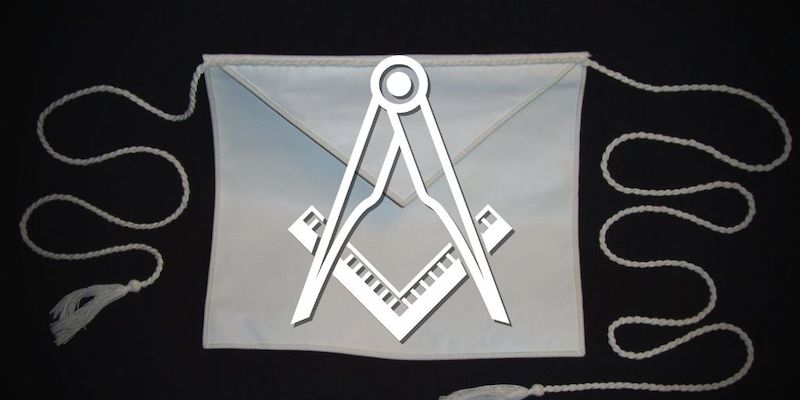
The Masonic apron stands out in the tapestry of Freemasonry for its profound historical roots and emblematic significance.
This article delves into the apron’s origins, evolution, and multifaceted symbolism, tracing its journey from a practical garment to a cherished badge of honor among Freemasons.
TLDR: Beyond its initial utilitarian purpose for medieval stonemasons, the Masonic apron embodies the ideals of purity, sacrifice, and fraternity that underpin Freemasonry.
Freemasons Community: Join thousands of Masons from around the world in a private, active community built for the Craft.
Masonic Lodge Secretary: Stop drowning in paperwork. Manage your entire Lodge from one simple, purpose-built tool.
MasonicFind Newsletter: The weekly read for serious Masons. Insights, ideas and resources delivered straight to your inbox.
Why Do Masons Wear Aprons?
The practice of wearing aprons among Freemasons is deeply rooted in the fraternity’s rich historical and symbolic traditions.
This tradition can be traced back to the medieval stonemasons, the progenitors of modern Freemasonry, who donned leather aprons as a practical measure to protect themselves from the rough stones they worked with and to carry their tools.
However, within Speculative Freemasonry, the apron transcends its original utilitarian purpose, evolving into a potent emblem of innocence, purity, and the fraternal bond that unites its members.
The Masonic apron symbolizes a rite of passage distinguishing Freemasons from the uninitiated.
It is a tangible connection to the fraternity’s storied past, linking current members with their forebearers through centuries of tradition.
The apron is also a canvas of sorts, upon which the journey of a Mason is symbolically depicted.
From the plain lambskin aprons of the Entered Apprentices to the more elaborately decorated versions worn by higher-ranking members, each apron tells a story of personal growth, learning, and the pursuit of ethical standards.
The apron also serves as a constant reminder to Freemasons of their commitment to living by Freemasonry’s principles: brotherly love, relief, and truth.
The purity of the lambskin, from which traditional Masonic aprons are made, is emblematic of the purity of heart that Freemasons strive to achieve.
Wearing the apron, therefore, is not just an act of tradition but a personal declaration of our ongoing commitment to self-improvement and to serving humanity with integrity and honor.
The History of The Masonic Apron
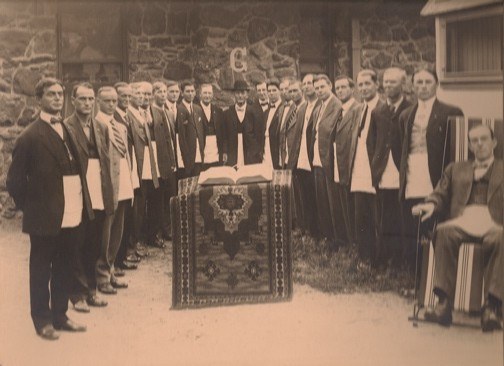
Delving deeper into the history of the Masonic apron, its evolution mirrors the broader transformation of Freemasonry from a guild of stonemasons into a symbolic and philosophical organization.
The apron’s development over time reflects changes in fashion, societal norms, and the shifting symbolism within the fraternity itself.
From Practical to Symbolic
Early Origins: The earliest Masonic aprons were simple, practical garments made from leather, intended to protect the wearer from the physical labor of stone masonry. These aprons were rugged and functional, much like the work aprons used by tradespeople today.
18th Century: As Freemasonry transitioned from a guild of working stonemasons to a more speculative, philosophical organization, the apron began to lose its utilitarian function and gained symbolic significance. The transition from leather to lambskin or white leather aprons signified this change, with the purity of the material symbolizing the purity of heart and intention required of its members.
Evolution of Design
Decoration and Symbolism: Over the centuries, the design of the Masonic apron became more elaborate, incorporating various symbols and emblems specific to Freemasonry. These included the square and compasses, the all-seeing eye, and other masonic tools, each with its own symbolic meaning.
Variations According to Rank: The design of the apron also began to vary according to the rank and office of the wearer within the lodge. For example, aprons for Grand Officers might include specific symbols of their office, elaborate embroidery, and distinctive colors denoting their rank.
Regulation and Standardization: By the 19th century, many Grand Lodges started to standardize the design of the Masonic apron, setting specific guidelines for size, shape, and decoration. This was part of a broader move towards regularizing Masonic practice and ensuring a degree of uniformity across lodges.
Cultural and Regional Differences
Global Spread: As Freemasonry spread globally, regional variations in apron design emerged. While the basic symbolism remained consistent, specific designs, materials, and decorations varied, reflecting local customs and traditions within Freemasonry.
Modern Times: Today, the Masonic apron retains its symbolic importance within the fraternity, even as the designs continue to evolve. Commemorative aprons, for example, may be produced for special occasions or anniversaries, each adding to the rich tapestry of Masonic tradition.
The Masonic apron is not just a piece of regalia but a living history of Freemasonry, encapsulating its transition from a medieval guild to a modern fraternal organization.
It serves as a reminder of Freemasonry’s roots in stonemasonry, its philosophical underpinnings, and the enduring bonds of brotherhood that unite its members worldwide.
Interesting Facts About The Masonic Apron
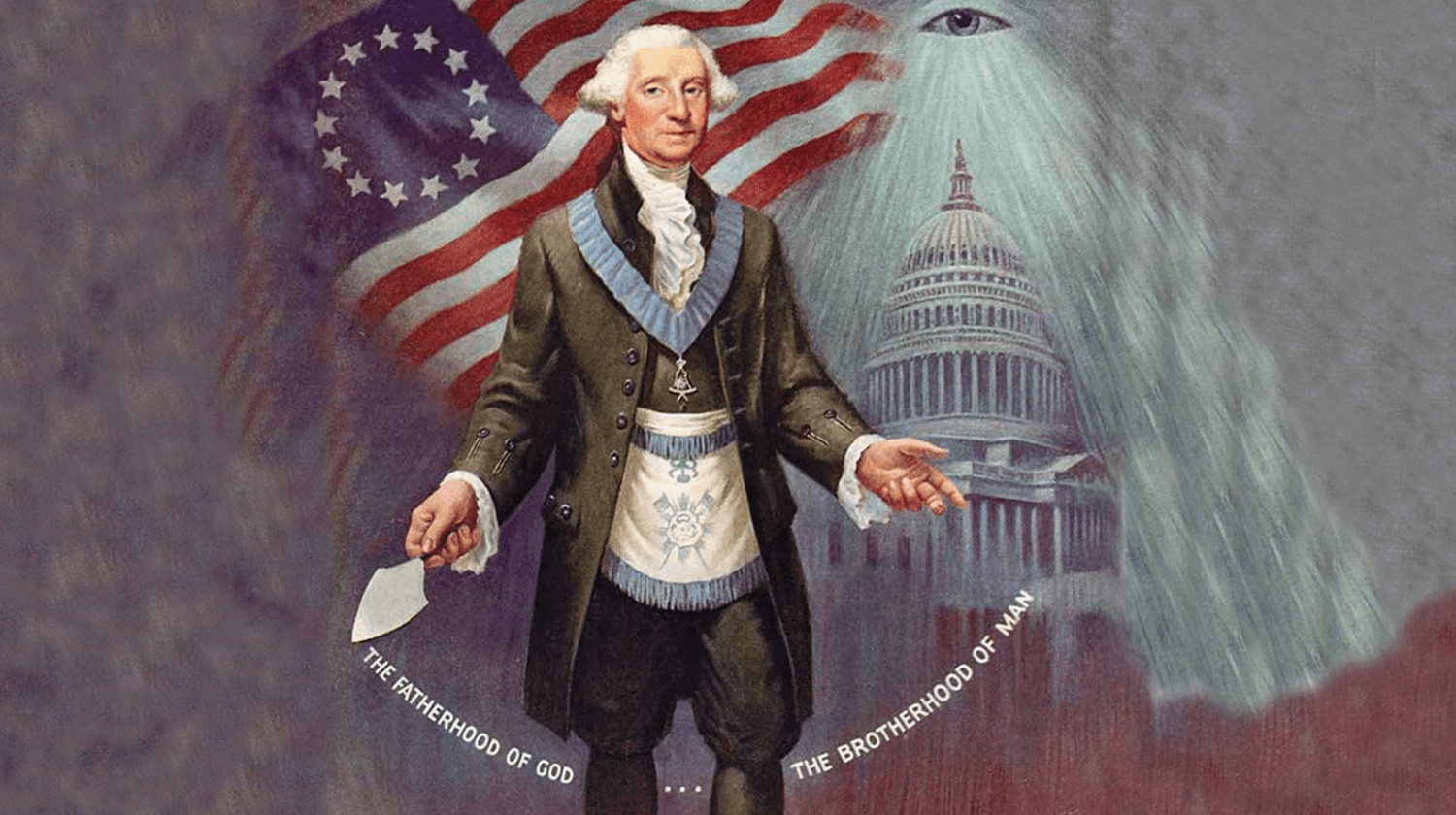
To close this off, here are some interesting facts about the Masonic apron you should know (especially if you are planning to join Freemasonry).
It’s a Symbol of Heritage:
The Masonic apron is not merely a piece of attire; it is a cherished inheritance from the fraternity’s past, worn with pride by lodge members as a badge of honor.
It Can be Used Beyond Lodge Walls:
Masonic aprons are not confined to lodge ceremonies; they are also worn during certain public events (such as Masonic funerals).
This practice, such as wearing aprons at funerals, signifies respect and brotherly love, showcasing the wearer’s pride in their fraternity and its values.
The Significance of Lambskin:
The choice of lambskin for the apron material is deliberate. Lambskin symbolizes purity and innocence.
The lamb’s sacrifice is emblematic of Freemasonry’s commitment to charity and supporting their brethren, mirroring the virtues Freemasonry encourages in its members.
It’s a Symbol of Purity:
Maintaining a clean and spotless apron is imperative for Freemasons, as it represents purity.
This practice is not just about physical cleanliness but also signifies the bearer’s commitment to leading a virtuous and honorable life in accordance with Masonic principles.
As a Freemason, you should always wear your apron with dignity…
It exudes your status and also conveys to a common person that you have risen above the crudeness and the ignorance of men.
TrestleLog: Finally, a proper way to log your Masonic journey. Track every meeting, degree and milestone in one place.
Great Masonic Library: Unlock 300+ rare and out-of-print Masonic books that most Masons will never get to read.
MasonicMentor.AI: Get instant answers to your Masonic questions, any time. Like having a wise mentor available 24/7.
Masonic Courses: Go deeper than your Lodge can take you. In-depth courses on history, ritual and philosophy at your own pace.
FreemasonryAI: Save hours every month with 150+ AI prompts built specifically for Lodge officers and Masonic education nights.
Masonic Etiquette: Know exactly how to conduct yourself in Lodge. The guide every Mason wishes they had from day one.
Masonic Lessons: The lessons behind the ritual, explained clearly. Deepen your understanding at every degree.
Lodgeman Bundle: Everything a dedicated Mason needs in one bundle. The best value way to invest in your Masonic education.
Masonic Lectures: Classic lectures that have shaped Freemasonry for generations, ready for you to study and deliver.
The Masonic Way: Freemasonry is more than a meeting. Discover how to live its principles every single day.
100 Facts About Freemasonry: Surprising, fascinating and little-known facts about the Craft. Perfect for Masons and curious minds alike.
Become a Freemason: Thinking about joining? This guide walks you through everything you need to know before you knock on the door.
I love Masonic Swag
🙂
Get your swag from the MasonicFind Store lol.